Why beauty has been a natural fit for AI creative
Beauty produces more brand creative per dollar of revenue than almost any other category. A single skincare launch can need hero campaign work, the full format suite for paid social, retailer co-marketing, influencer-package creative, point-of-sale, seasonal occasion variants, and high-volume e-commerce product imagery — across multiple markets, multiple languages, multiple shade lines. The volume is structural, and the production economics have always rewarded any tooling that could keep pace.
The category was also among the earliest to test generative tooling at scale. Editorial-style product photography, surreal pack-led creative, and atmospheric campaign imagery all sit in registers generative tools handle well. By 2025, beauty is one of the categories where the production case is most decisively settled.
Where AI fits for beauty brands
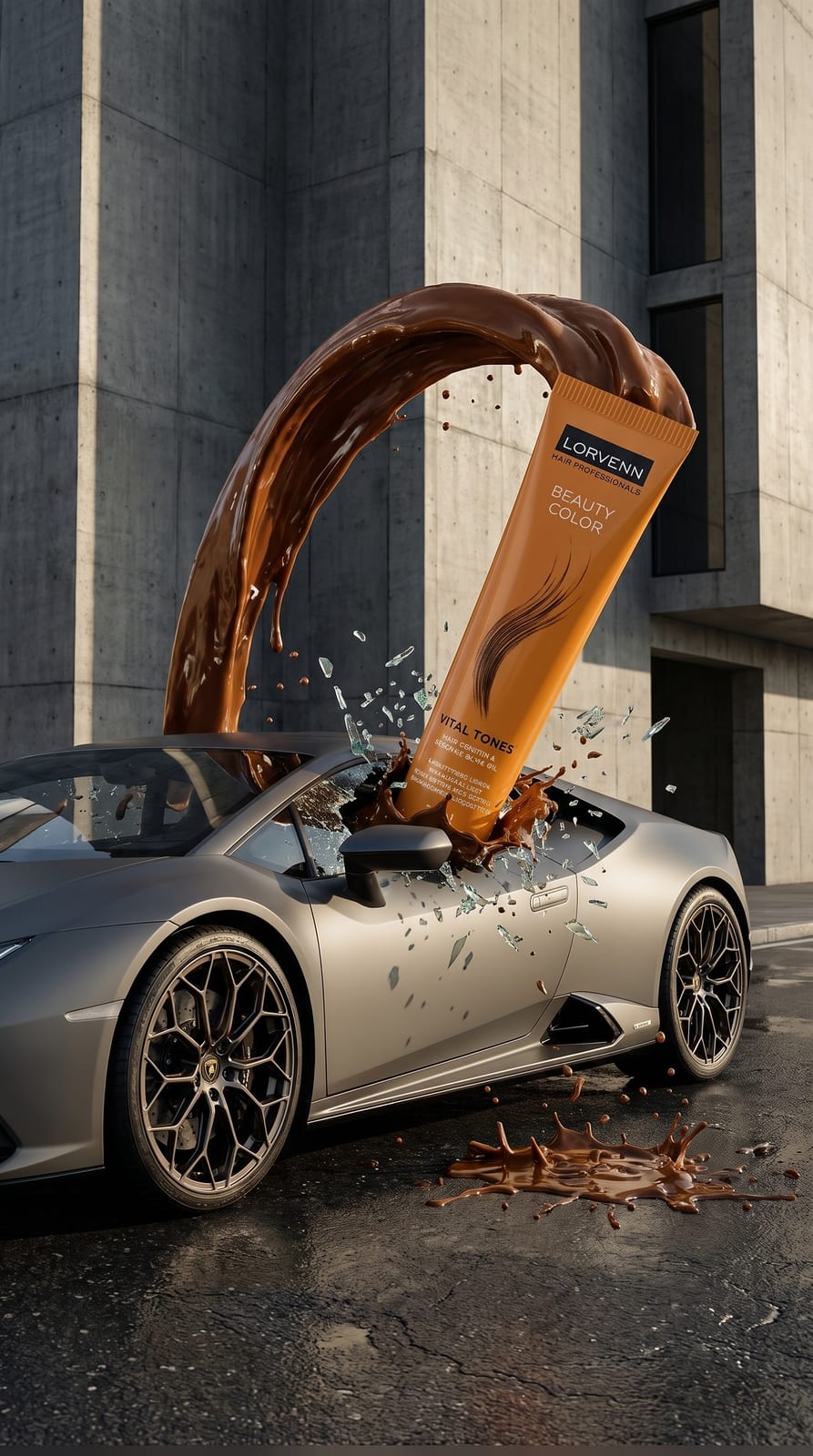
- Pack-led hero creative. Product as the hero in environment, surreal context, or atmospheric scene. The category where beauty has historically spent the most production budget, and where generative tooling produces output indistinguishable from a high-end retoucher.
- Editorial campaign work. Atmospheric, idea-driven creative for prestige brand positioning. Sits in the visual register beauty editorial has been built on for decades.
- Seasonal occasion creative. Mother's Day, gift sets, holiday, Black Friday, Valentine's, summer-launch. The recurring seasonal calendar beauty brands cycle through every year, now produced from a single parent concept at a fraction of the prior cost.
- Shade-line and SKU variant production. A single hero composition adapted across shades, finishes, and product variants. What used to require a full shoot day per shade now generates from a parent.
- Localization across markets. The same campaign adapted across markets with talent, palette, and atmospheric changes that preserve brand identity. Global beauty houses running coordinated creative across thirty markets are the category's strongest case for generative tooling.
- E-commerce and retail-partner creative. The long tail of category-page, listing-tile, and retail-partner co-marketing creative. High-volume, lower-stakes, production-cost dominant — the category where the generative case is cleanest.
Where it does not work yet
- Talent-driven brand campaigns. When the strategy depends on a specific celebrity face, founder, or named ambassador, generative work is not the replacement. The face is the campaign; the campaign is the face.
- Skin and texture close-ups requiring exact accuracy. Product efficacy claims that depend on visible skin texture, hair fiber detail, or before-and-after documentation should not be generated. The accuracy bar is regulatory as well as audience-facing.
- User-generated and authentic-look content. The deliberate raw-feel content that anchors influencer-adjacent beauty marketing depends on its un-polished register. Generative tooling produces too-polished output for this use case by default.
What restructured beauty production looks like
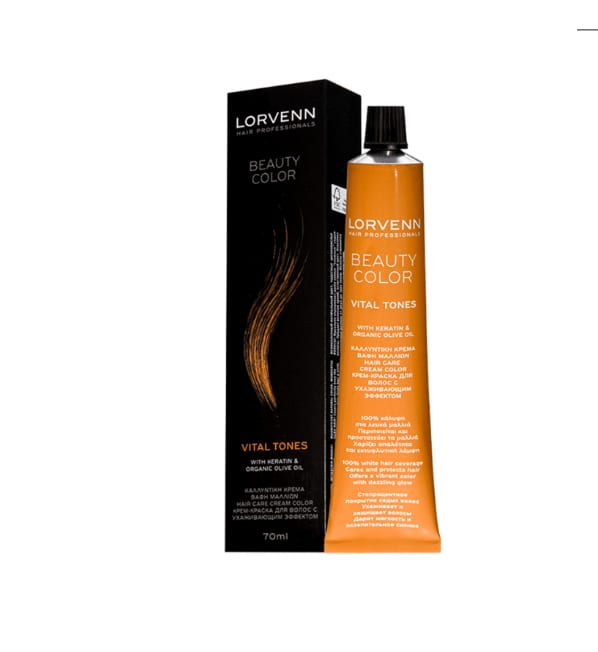
The beauty brands that have moved decisively on AI tooling have settled into a working pattern. The actual product is photographed traditionally — pack, texture, swatch, applicator — with exacting color management for shade accuracy. The surrounding work is generative: hero composition, environment, atmospheric register, seasonal adaptation, market localization, variant production. The talent-driven campaign work and the front-of-pack accuracy work stay traditional; everything else moves.
The economic effect is meaningful. Beauty brands typically produce hundreds of creative variants per SKU per year across the categories listed above. Moving a substantial share of that production into a generative pipeline reshapes the line-item cost of the brand-creative function without compromising the hero work that defines the brand's positioning.
Color, finish, and texture fidelity
Beauty is a category where the brand color and the product finish are not negotiable. The exact shade of a lipstick, the precise iridescence of an eyeshadow, the specific cream-versus-matte texture of a foundation — these are the brand's product, not creative atmosphere. Generative output that approximates the brand color or composites a generated pack into the scene instead of the real one fails the basic accuracy bar.
The working pattern keeps the pack and the product as traditionally-photographed source material, composites them into the generated environment with correct color management, and handles the print-side production prep so the final output preserves brand-color fidelity through to press. CampaignsLive supports CMYK-correct output with the printer's specific ICC profile and rich black handling for shadow regions. For the full color and print workflow, see Print and Out-of-Home.
Brand consistency across the volume
Beauty brands run more creative variants per quarter than any category outside fast fashion. Brand consistency across that volume is the hard problem. The beauty teams that have done this well share an operational pattern: fine-tuned models on the brand's existing creative archive, reference image conditioning at generation time, and brand-asset locking for the pack, the logo, the talent treatment, and the typographic system that must hold across every variant.
For the working solutions to brand consistency at scale, see Brand Consistency Is the Hardest Problem in Generative Creative.