Print and OOH are the hardest place to fake
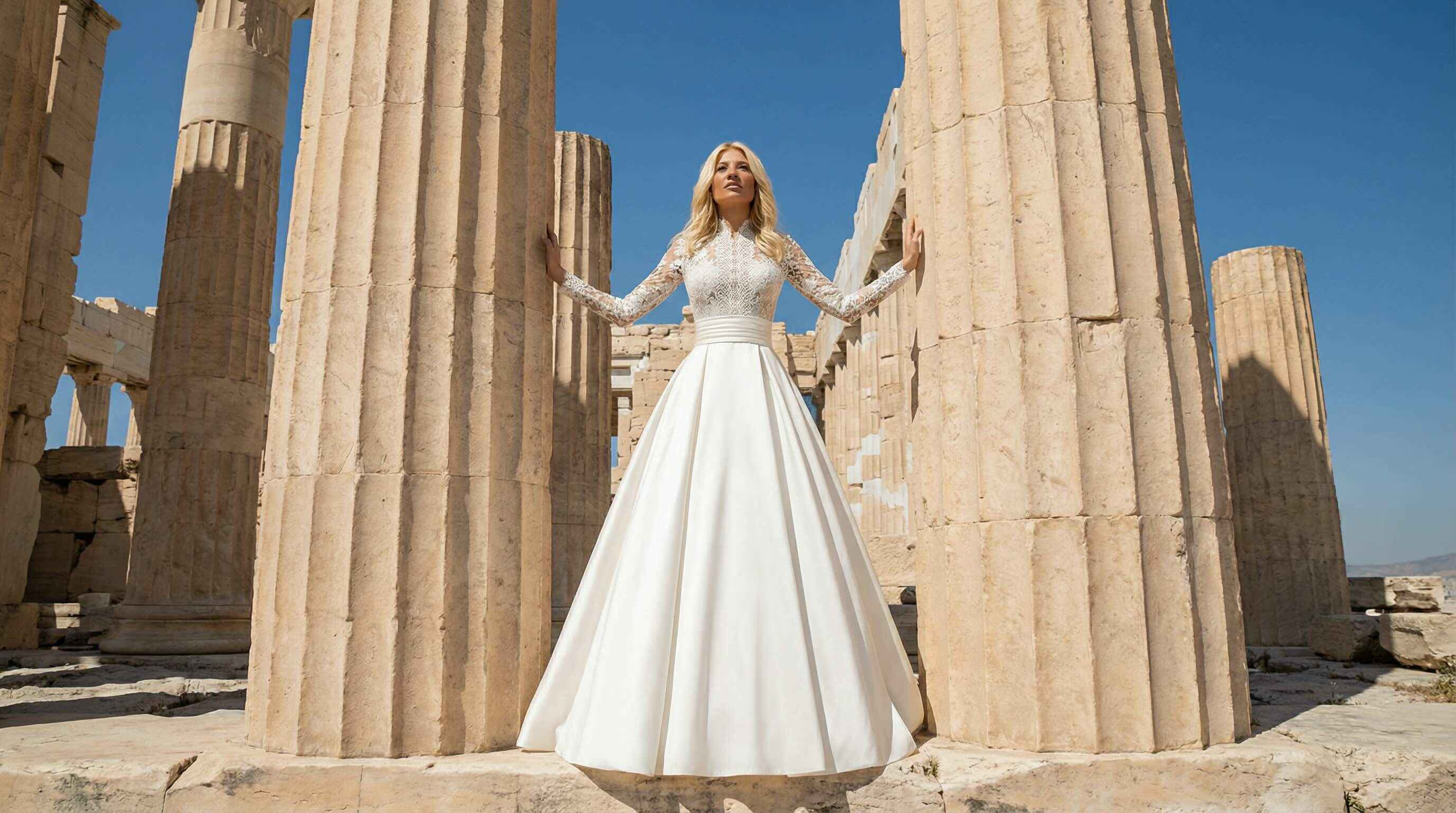
A billboard is read from three hundred metres away. A magazine insertion is held twelve inches from a reader's face. A bus shelter is studied for forty seconds in line at a coffee shop. None of those placements forgive low-resolution input, off-register color, or the soft, hallucinated detail that most generative imagery still produces at scale.
Print and out-of-home are also where brand creative does its hardest work. Awareness, equity, share-of-mind — they are still measured most reliably in the placements your audience cannot scroll past. Producing creative that earns those placements has historically been a multi-week shoot, a retouching cycle, and a procurement process. CampaignsLive shortens that to a brief, a generation round, and an export.
Sixteen megapixels, every image
CampaignsLive produces every image at 16-megapixel resolution by default. That is roughly the resolution of a current-generation DSLR sensor; enough for:
- 48-sheet billboards and larger formats with the file scaled at print-spec PPI.
- Magazine double-page spreads printed at 300 PPI without upscaling artifacts.
- Bus shelter and transit panels at full bleed.
- Retail point-of-sale from window vinyls to shelf wobblers.
- Editorial covers where every detail in skin, fabric, or environment is studied closely.
Higher-resolution upscaling is available for environmental and wallscape placements where the printed image is larger than typical OOH formats. For full technical detail on resolution and format outputs, see How It Works.
Color that survives the trip to press
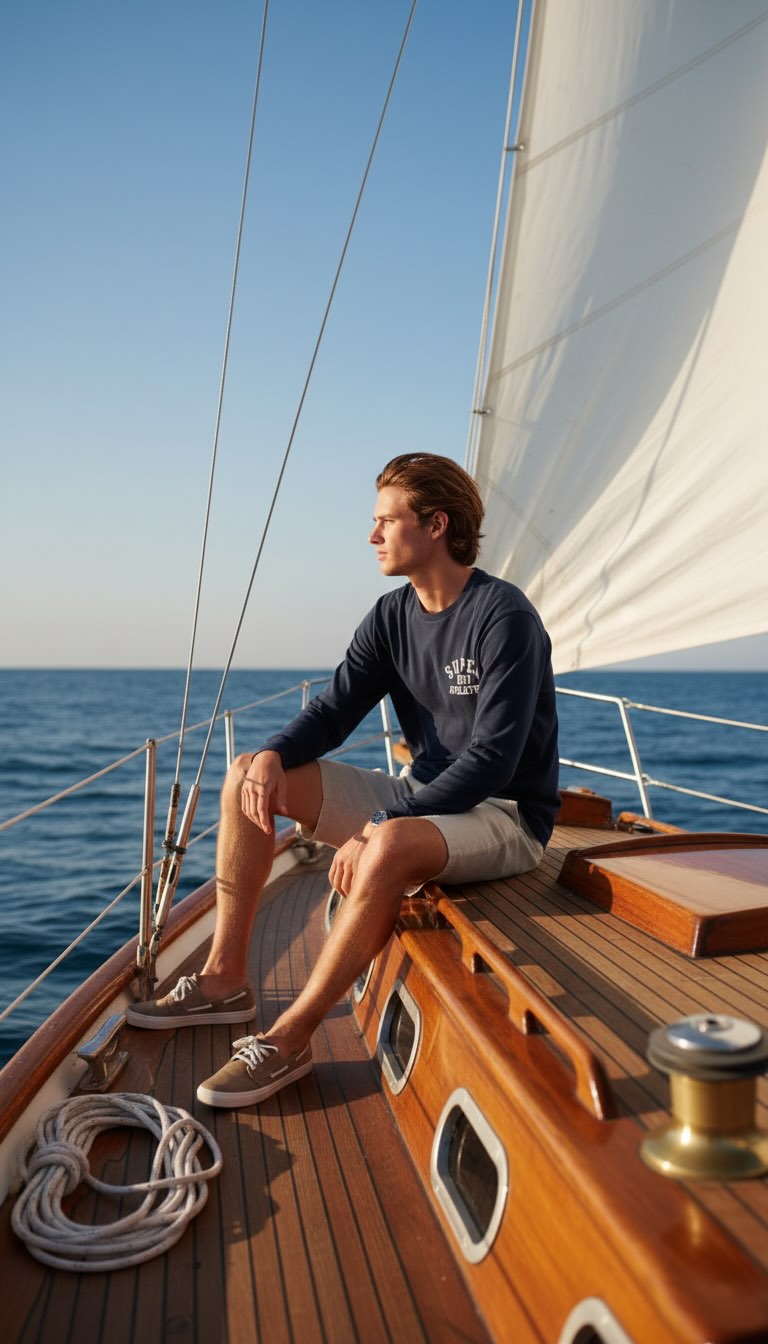
Generative imagery is usually delivered as sRGB JPEG — fine for screen, fragile for print. The first time you watch a hero shot collapse into muddy CMYK at the prepress stage, the gap between digital and print output stops being abstract.
CampaignsLive delivers print work in the color profile your production partner expects. CMYK with the coated and uncoated swatch books your printer references; ISO Coated v2, FOGRA39, GRACoL, or whatever your prepress workflow has standardized on. Color targets and reference patches can be embedded on request for press-side calibration.
Black is delivered as rich black, not 100K, so it holds against ink limit constraints. Shadows are held away from total area coverage maxima so they print without mottling. Highlights have enough tonal information to survive flat-tint reproduction. The small things, in other words, that separate a creative file from a printable file.
Placements CampaignsLive covers
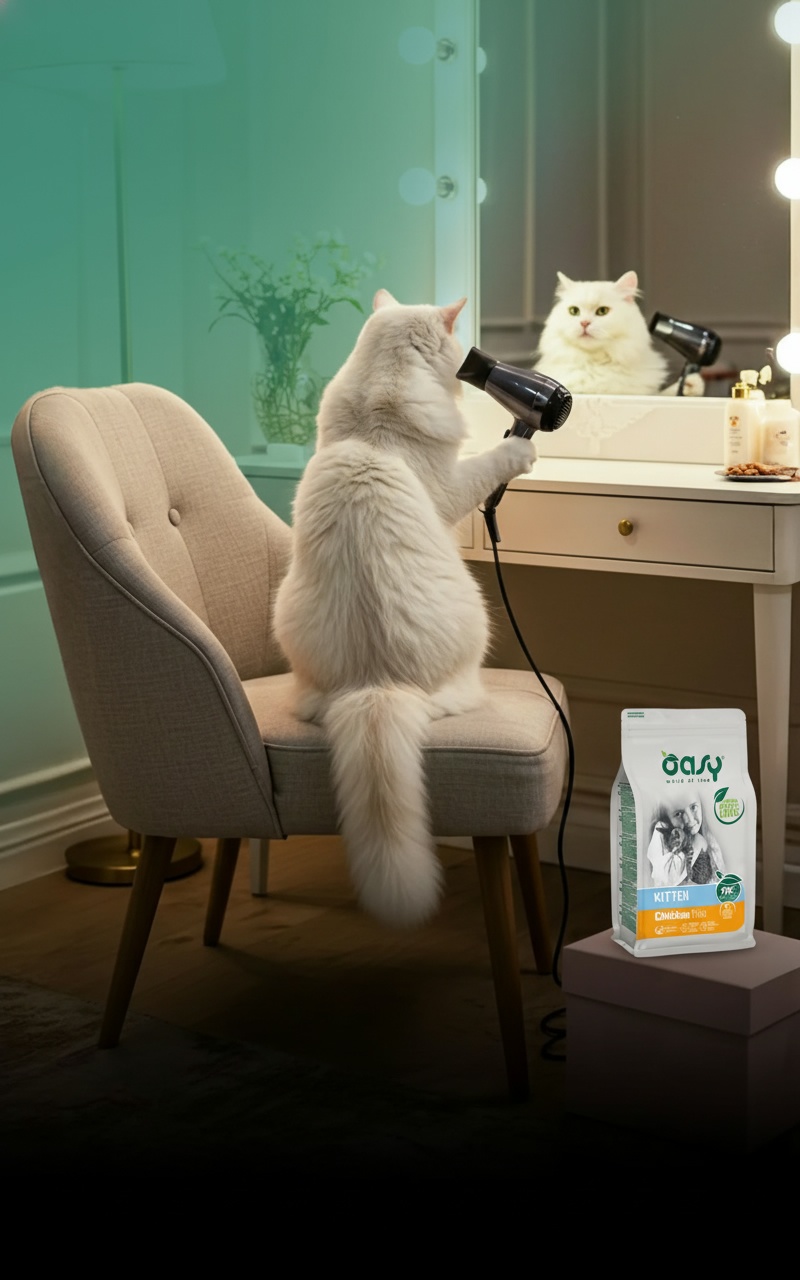
Coverage spans every standard print and OOH placement type:
- Billboards — 6-sheet, 48-sheet, 96-sheet, and wallscape.
- Transit — bus shelters, supersides, tube/subway car cards, taxi tops, station dominations.
- Roadside DOOH — digital placements where motion is not yet specified or required.
- Print press — magazine, newspaper insertion, supplements, partwork covers.
- Retail and trade — shelf-edge, window vinyl, end caps, in-aisle, hangtags.
- Editorial and brand book — annual reports, brand guidelines, internal launch documents.
- Environmental — building wraps, airport dominations, large-format experiential.
From brief to printable file
- Brief. Describe the campaign in the language you would use with an agency. Reference a placement type and CampaignsLive will compose for that aspect ratio and viewing distance.
- Concept rounds. Generate a set of directions. Out-of-home tends to reward bolder compositions and simpler messaging, and the system biases toward those when the brief specifies an OOH placement type.
- Refine. Hold the composition, change the talent, the environment, the palette, the mood. Iterate until the hero is a hero.
- Production prep. Export at 16MP, in your CMYK profile, with bleed and crop marks where the placement specifies them.
- Press. Hand off to your printer or media partner without an interim retouch cycle.
Coherent campaigns, not one-off images
The same campaign almost always runs across multiple placements — a billboard plus its bus shelter counterpart plus a press execution plus a digital companion. The OOH industry calls this a campaign suite, and producing one used to mean a shoot day, multiple compositions, multiple retouches, and careful color matching across formats.
CampaignsLive generates the suite from a single parent concept. The 48-sheet, the 6-sheet, the press, and the digital companion share talent direction, palette, and tone while composing differently for each placement's viewing context. The work reads as one campaign, not five executions of the same brief.
Why this is faster than a shoot
The traditional path to a printable OOH file is: brief, mood, scout, casting, shoot, edit, retouch, proof, press. The schedule on that path is rarely shorter than three weeks and is often six. Every revision costs another loop.
The CampaignsLive path is: brief, generate, refine, export. The schedule on that path is rarely longer than three days, and revisions cost minutes instead of days. For teams that need to ship faster than a traditional shoot allows — flash sales, news-jacked creative, multi-market localizations — the difference is structural, not marginal.
Owning the file, forever
Print and OOH creative often outlives the campaign. A billboard hero might come back as a sales-floor poster, an annual report cover, or a brand guideline anchor. CampaignsLive output is yours, with no license to renew and no usage cap. The file you export today is the file you can reuse five years from now, in any context, for any purpose. The How It Works page covers the ownership model in full.