
Why FMCG was the early proving ground
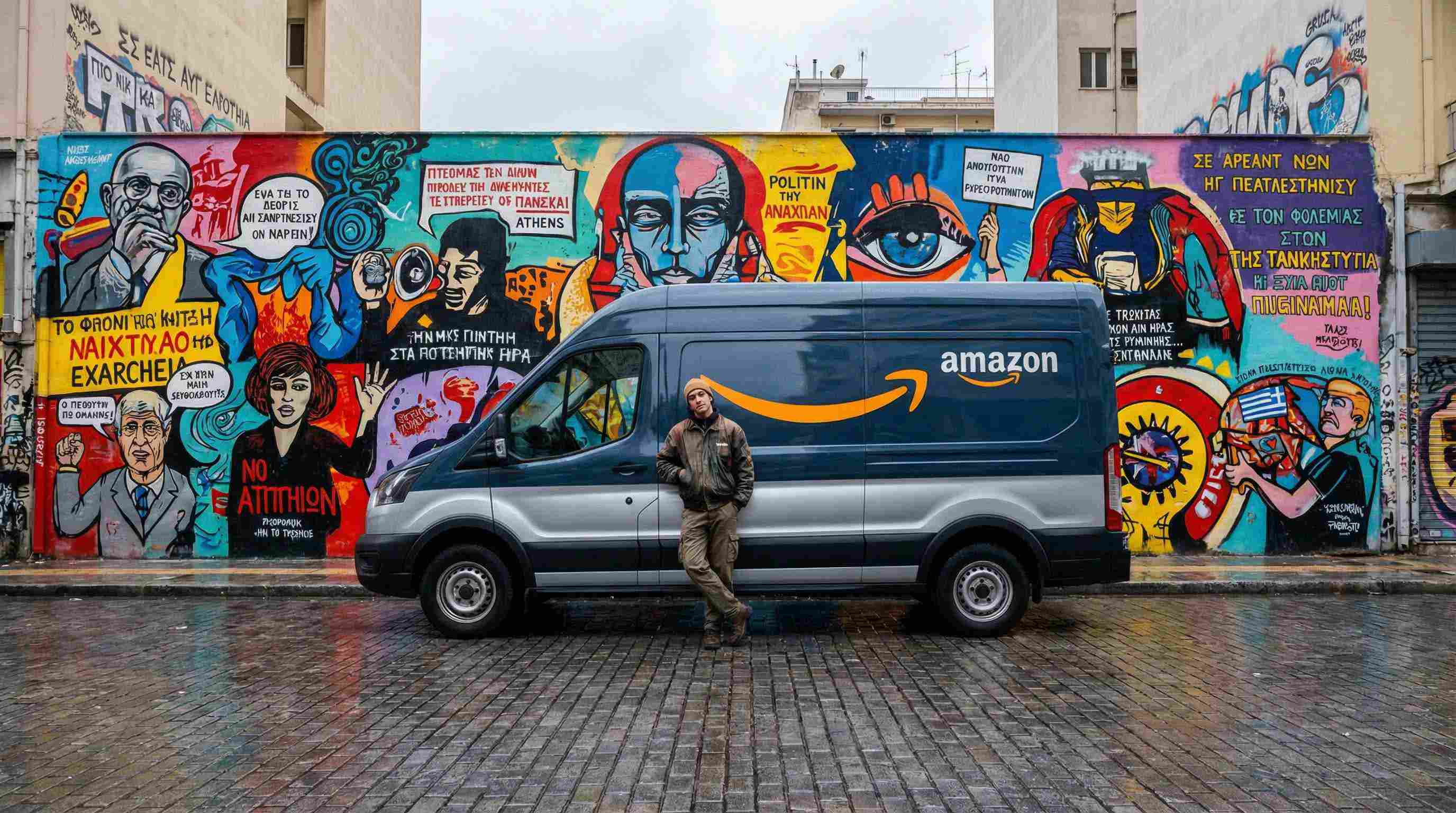
Fast-moving consumer goods was the category where the first widely-noticed AI brand campaigns actually shipped. Heinz's "Draw Ketchup" in 2022 demonstrated that AI output could anchor a real campaign for a brand of meaningful equity. Cadbury's Diwali generative-voice campaign in the same period showed the personalization case at scale. The category set the early pattern that the rest of the brand-AI conversation has been working through since.
Two structural reasons made FMCG the first proving ground. The work runs at high volume across SKUs, seasons, and markets, which makes the production-cost case for AI immediately visible. And the pack is the hero — the product is unambiguous, well-defined, and routinely photographed against generated environments rather than depicting specific people or places that AI struggles with. The combination made FMCG the lowest-friction entry point into the category.
Where AI fits for FMCG brands
Five categories are operationally ready:
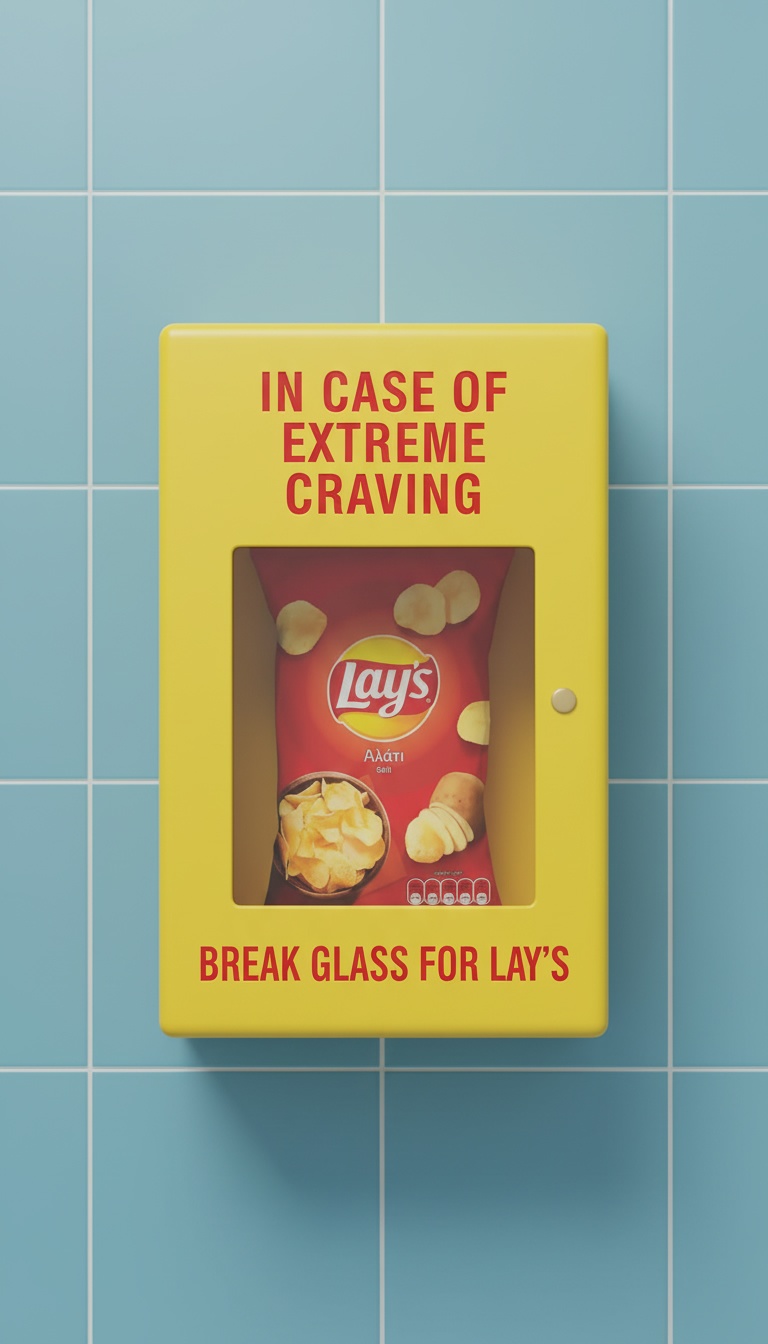
- Pack-led campaign creative. Hero shots of the product in environment, lifestyle context, or atmospheric setting. The pack is photographed traditionally or composited from existing brand assets; the surrounding environment is generated. The case has been settled in the category since 2023.
- Seasonal and occasion creative. Christmas, summer, back-to-school, Valentine's, Mother's Day, and the long tail of occasion-driven retail moments that FMCG brands cycle through every year. Core campaign concepts adapt across the calendar with environment and atmospheric changes.
- In-store and trade creative. Window vinyls, shelf wobblers, end caps, partner retail co-marketing. High-volume, fast-cycle, lower-stakes work where the production case is strongest. See Print and Out-of-Home for the full production output specification.
- Localization across markets. A core campaign adapted across markets with environmental, talent, and palette changes that maintain brand identity. Particularly valuable for global FMCG brands running coordinated creative in dozens of markets simultaneously.
- Performance and digital creative. Paid social, display, and programmatic creative at the weekly volume that FMCG performance teams require. See Digital Advertising.
Where it does not work yet, and what to learn from where it has failed
Two categories remain traditional or partly-traditional production.
Iconic legacy campaign refreshes. The 2024 Coca-Cola Christmas ad was the most visible demonstration of why this category is harder than the production-cost case suggests. Brand work that derives its power from cultural memory is structurally hard for AI to reproduce. The output reads as Christmas-shaped content rather than as the descendant of the campaign the audience remembered. For the full analysis, see Coca-Cola's AI Christmas Ad: Anatomy of a Backlash.
Talent-driven brand work. When the strategy depends on a specific endorser, a specific cast, or a documentary register of real consumers, generative work is not the right tool. The shoot is still the shoot.

What FMCG-specific production looks like
The FMCG brands that have done well with generative tooling have settled into a working pattern. Pack photography stays — the product is real, photographed traditionally, with controlled color against the brand's exact pack reference. Environment and context generate. Format suite extends. Localization adapts. The hero brand work for the year continues to be produced traditionally; the long tail of seasonal, performance, in-store, and trade creative moves to the generative stack.
The economic effect is meaningful. FMCG brands typically run hundreds of creative variants per SKU per year across the categories listed above. Moving even half of that production into a generative pipeline materially changes the line-item cost of the marketing creative function.
Color and pack accuracy
Pack color accuracy is unusually consequential in FMCG. The brand-specific Pantone, the exact shade of red, the precise reproduction of pack typography — these are not negotiable. Generative output that approximates the brand color or composites a generated pack into the scene instead of the real one fails the basic accuracy bar.
The working pattern is to keep the pack as traditionally-photographed source material, composite it into the generated environment with correct color management, and handle the prepress so the final output preserves brand-color fidelity through to press. CampaignsLive supports CMYK-correct output with the printer's specific ICC profile and rich black handling for shadow regions. For the full color and print workflow, see Print and Out-of-Home.